

It is one of the indispensable elements of modern architecture. Exterior aluminum claddingAluminum is an important application that adds both aesthetic and durability to buildings. Its light weight, longevity, and diverse design options have made it a popular material.
Advantages of Exterior Aluminum Cladding
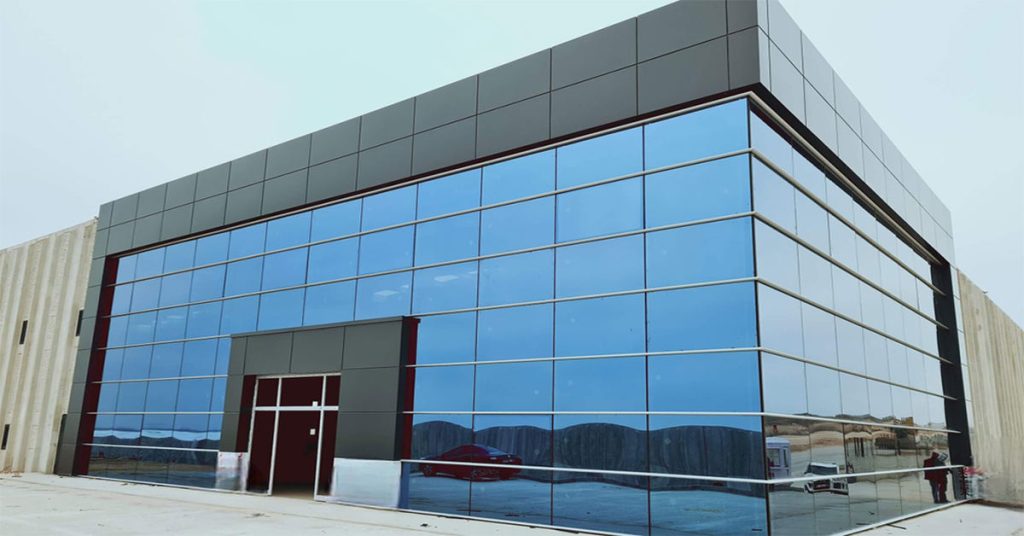
Exterior cladding is a crucial application that affects both the appearance and durability of buildings. Choosing the right materials can contribute to a building's longevity and provide protection against external factors such as heat, humidity, and wind. In modern architecture, lightweight and durable materials are increasingly preferred. In this regard, aluminum stands out due to its practical use and aesthetic appearance.
Especially exterior aluminum cladding It can give buildings a modern look. Thanks to different color and surface options, it adapts to the design. The lightweight nature of the material can facilitate the application process. Its resistance to corrosion is also a significant advantage. It can maintain its shape for a long time in conditions such as rain, snow, and sun. This allows the exterior facade to look clean and tidy for longer.
A proper facade system is also important in terms of thermal insulation. Appropriately designed claddings can contribute to energy efficiency. The building's heating and cooling needs can be reduced. This both increases comfort and lowers energy costs. Furthermore, aluminum surfaces can be evaluated in terms of fire safety. Building requirements and climatic conditions should be considered when selecting a system.
In projects aiming for long-lasting use exterior aluminum cladding It is a preferable option. Low maintenance requirements can reduce operating costs. Resistance to impact and external factors supports facade performance. A smooth surface can also be obtained after installation, helping to make architectural lines more visible. With proper application and regular inspection, the facade system can be used trouble-free for many years.
Exterior Aluminum Coating Features
Exterior cladding is an important application that helps protect buildings from external elements. It also modernizes the appearance of a structure and can increase its value. Choosing the right materials is crucial for long-lasting use. Rain, wind, sun, and temperature changes can wear down the facade over time. Therefore, durable and lightweight materials are frequently preferred. Aluminum is one of the options that meets these needs.
Aluminum cladding systems offer various panel and surface options. Matte, glossy, or textured surfaces can adapt to architectural design. The wide range of color options provides flexibility to projects. Furthermore, the lightweight nature of aluminum simplifies the installation process. Corrosion resistance is also an important feature. This allows the exterior facade to maintain its shape for a long time, even in harsh weather conditions.
Preferred exterior aluminum cladding These systems offer a practical solution thanks to their modular structure. Panels can be disassembled and reassembled as needed. This feature simplifies maintenance and repair processes. Aluminum surfaces stand out with their low maintenance requirements. In addition, facade systems can be implemented with insulation layers. This can contribute to thermal and acoustic comfort. With the right design, water drainage and ventilation can also be planned more efficiently.
The performance of a cladding system is directly related to the quality of its application. Measurement, subconstruction, and assembly steps must be carried out carefully. Smooth joints on the facade enhance the aesthetic appearance. Furthermore, the correct selection of connection points can increase durability. The climatic conditions of the project and the building height also influence the system selection. With proper planning, both a modern look and a long-lasting facade can be achieved.
How to Choose Aluminum Cladding for Exterior Walls?
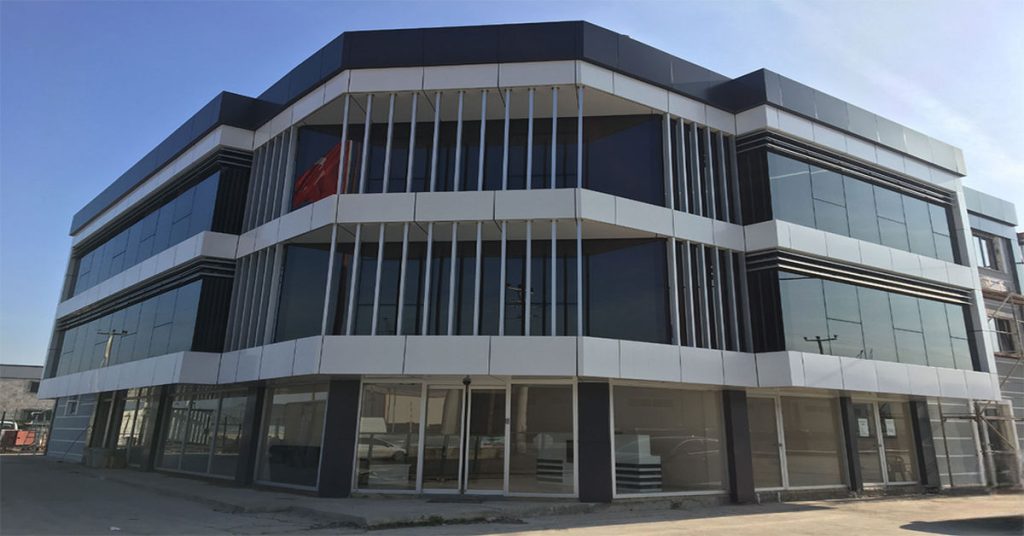
The choice of exterior cladding directly affects both the appearance and performance of a building. Therefore, not only aesthetics but also durability and functional requirements should be considered during the selection process. The climate conditions of the region where the building is located are an important criterion. Wind, rain, sun, and temperature differences can be decisive in material selection. In addition, the intended use of the building also influences the selection process.
When the election is held exterior aluminum cladding Technical specifications should be examined. Panel thickness, surface coating, and the substructure used affect the durability of the system. Corrosion-resistant surfaces can provide an advantage in terms of long-lasting use. Fire performance and insulation compatibility should also be evaluated. It is important that the insulation material to be used on the facade is compatible with the cladding system.
Color and texture selection should also be consistent with the architectural language of the project. Matte, glossy, or textured surfaces can create a different perception. Seeing samples and evaluating them in daylight can be helpful at this stage. Ease of assembly and maintenance needs should also be considered. Modular systems can be practical in terms of maintenance and parts replacement. Detail solutions appropriate to the project ensure smooth connections on the facade, which enhances the aesthetic appearance.
In the final stage, the experience and references of the contractor should be evaluated. Accurate measurements, proper substructure, and quality assembly determine the system's performance. Workmanship errors can lead to problems such as water ingress and deformation. Therefore, it is important to carry out the application in accordance with the technical specifications. A well-planned selection process ensures both a modern look and long-lasting use on the facade.
Where is aluminum cladding used for exterior facades?
Exterior cladding is preferred for both protecting buildings and enhancing their visual identity. Especially in modern architecture, the goal is to create a more orderly and aesthetically pleasing facade surface. Cladding systems can act as a shield against external factors such as rain, wind, and sun. When used in conjunction with insulation systems, they can also contribute to improved thermal and acoustic comfort. Therefore, exterior cladding solutions are becoming increasingly common in various building types.
Aluminum cladding systems are preferred in projects due to their lightweight and durable structure. Their applicability to large surfaces provides flexibility in architectural design. With various color and texture options, they can give the facade a modern look. Furthermore, thanks to their corrosion-resistant surface, they can maintain their shape for a long time even in harsh weather conditions. These features create a significant advantage, especially in structures requiring heavy use and high durability.
These types of coatings can be used not only for aesthetic purposes but also for functional needs. When applied in conjunction with ventilated facade systems, they can support moisture management. When used with shading elements and facade details, they provide solar control, thus increasing the building's energy efficiency. Furthermore, their low maintenance requirements can help reduce operating costs in the long run.
Its areas of application are quite broad. It can be preferred in residential projects for a modern look and insulation support. In commercial buildings such as offices and plazas, it can be used to create a corporate facade design. In hospitals, schools, and public buildings, its durability and ease of maintenance are key advantages. Buildings such as shopping malls, hotels, and showrooms can also choose this system for an aesthetically pleasing facade effect. Therefore... exterior aluminum cladding It can be safely used in many structures of different scales and for different purposes.