

Nowadays, architectural solutions focused on energy efficiency, aesthetic design and comfort are becoming more and more important. Sun shading systems, is one of the modern solutions that optimizes indoor temperature in buildings and directs sunlight in a controlled manner. These systems are preferred for both energy savings and increased indoor comfort.
Advantages of Sun Shading Systems
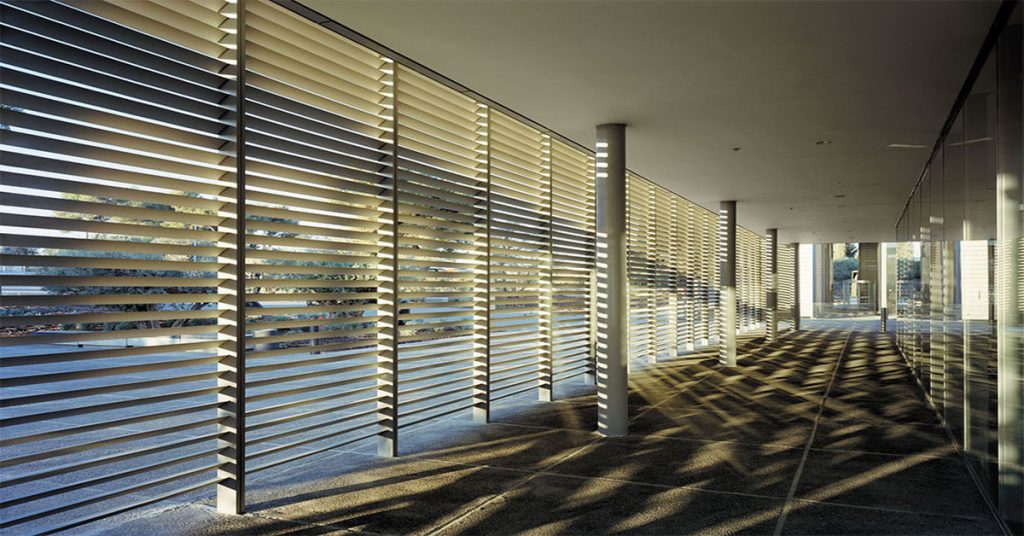
It's an architectural element used in buildings to control sunlight, increase energy efficiency, and provide comfort. Its aesthetic and functional advantages make it widely used in modern buildings.
It allows sunlight into building facades in a controlled manner, reducing energy consumption for air conditioning and heating systems. In the summer, it blocks excess sunlight, preventing interior spaces from overheating, and in the winter, it helps natural heating by letting in light.
Sunshades distribute light evenly throughout the building, preventing excessive glare and shadows. They also prevent overheating and create a more even temperature environment.
In modern architecture, sunshades give buildings a stylish, contemporary look. Thanks to a variety of materials and design options, they can be adapted to different architectural concepts. They can be made from materials such as wood, aluminum, or glass. These systems add a distinctive touch to a building's exterior.
By optimizing natural lighting, it reduces the need for artificial light and lowers the carbon footprint. Thanks to its energy-saving properties, it is an important part of sustainable architecture. As a result... sun shading systems It offers energy savings, comfort, and aesthetic advantages. Its environmental friendliness has made it an indispensable solution for modern buildings.
Areas of Use of Sun Shading Systems
It's used in many buildings to increase energy efficiency and enhance architectural aesthetics. It improves indoor comfort by controlling sunlight. It's particularly popular in commercial, residential, and public spaces.
Commercial buildings with large glass facades are exposed to intense sunlight throughout the day. This causes indoor temperatures to rise and energy consumption to increase. Commercial buildings filter sunlight, creating a more comfortable environment for employees.
It provides a balance between shading and natural lighting in modern residential projects. It's used in villas and apartment buildings with large glass surfaces to allow sunlight in in a controlled manner. It also adds a stylish look to the exterior.
Shopping malls and hotels have large spaces. This increases the effects of sunlight. It is used in these types of buildings to ensure the comfort of customers and guests. It also helps lower operating costs by reducing energy consumption.
Municipal buildings, schools, and universities are spaces requiring long-term use. Therefore, energy efficiency is of paramount importance. Sunshades optimize the use of natural light in classrooms and offices. In industrial facilities, sunshades provide heat control. They prevent excessive heat buildup in factory environments, increasing employee comfort.
It also helps machines operate more efficiently. Sun shading systemsIt is used in many areas, from residences to commercial buildings. It is also widely preferred in educational institutions and industrial facilities. Its energy-saving, comfort-enhancing, and aesthetic advantages make it a key component of sustainable architecture.
Features of Sun Shading Systems
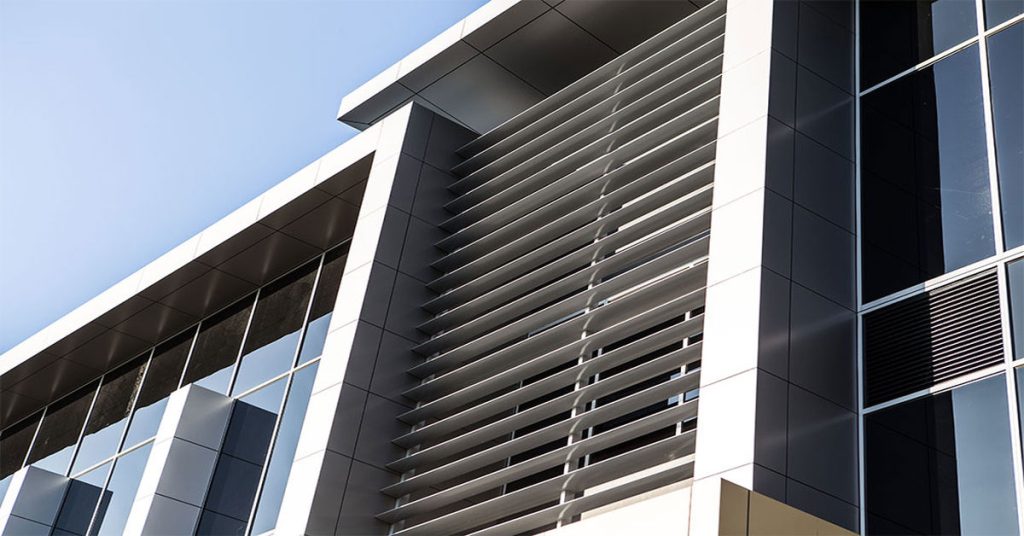
Sun shading systemsIt's a key architectural solution that improves energy efficiency by controlling heat and light in buildings. It enhances both interior comfort and adds an aesthetically pleasing appearance to a building's exterior. With a variety of materials and design options, it can be adapted to a wide variety of structures.
Sunshades filter sunlight entering interior spaces, maintaining thermal balance. They prevent overheating in the summer and contribute to natural heating by controlling light intake in the winter. This creates a comfortable temperature balance in interior spaces.
These systems help reduce energy consumption in air conditioning and heating systems by directing sunlight. They also reduce the need for artificial lighting, reducing electricity consumption. This provides both an environmentally friendly solution and reduces energy costs.
They are typically made of durable materials such as aluminum, steel, wood, or glass. They are highly resistant to outdoor weather conditions and can be used for many years without requiring maintenance.
It adds a modern and stylish look to buildings with a variety of colors, patterns, and design options. It can be applied in horizontal, vertical, or angled panels, making it suitable for any architectural project.
Some systems can be controlled by sensors or automatic mechanisms. Movable panels that open and close according to the position of the sun provide light and heat control throughout the day. Sun shading systems, offers many advantages, including heat control, energy savings, durability, and aesthetic appeal. These systems, increasingly preferred in architectural projects, are an important part of sustainable buildings.
Prices of Sunshade Systems
These systems are used in buildings to control heat and light. They are particularly popular in modern architecture. They help keep interiors cooler and also save energy. They allow a balanced amount of daylight in, which increases living comfort. They also add aesthetic value to buildings.
Prices vary depending on many factors. The materials used are a determining factor. Aluminum systems may be more durable. Wood-look options offer an aesthetic advantage. Whether the system is fixed or mobile also affects the price. Motorized systems can be more expensive. Manual systems offer more economical solutions.
The size of the project also affects the price. Larger facades can increase costs. Similarly, custom design requests can raise the price. The installation process is also a significant factor. Projects requiring professional installation have higher labor costs. Therefore, detailed planning is necessary. A proper site survey will help determine the budget more clearly.
In the long run, making the right choice provides a cost advantage. Sun shading systems At this point, it supports energy efficiency. By controlling the temperature, it reduces the use of air conditioning, which lowers energy costs. The use of durable materials reduces the need for maintenance, thus preventing additional expenses. These systems offer both an economical and functional solution.