
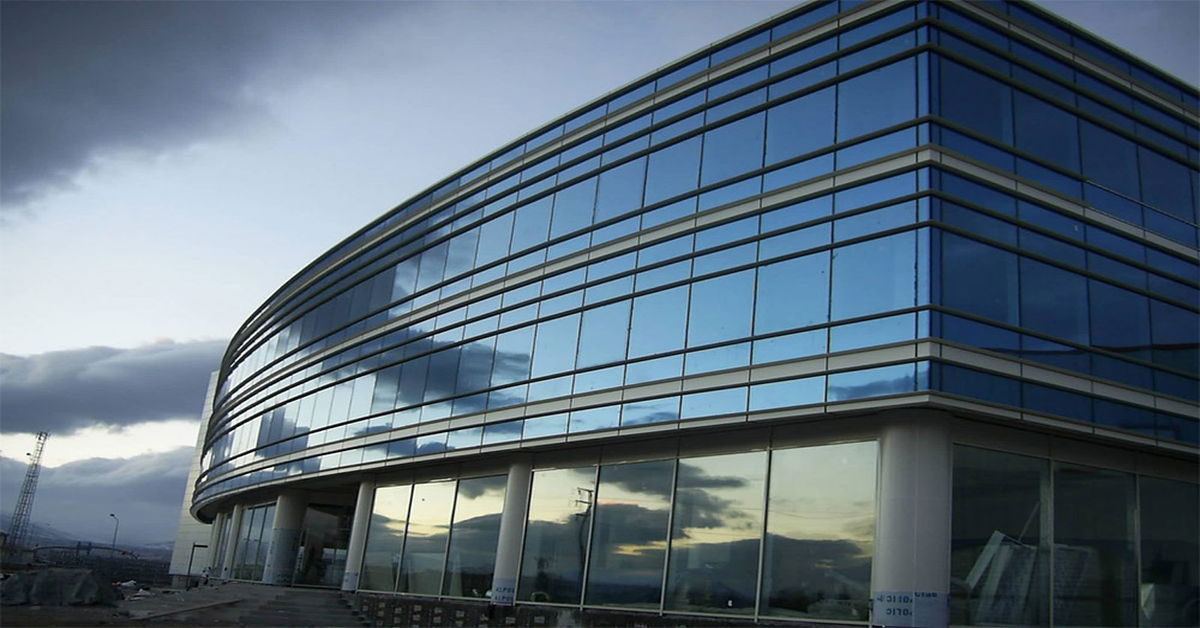
It has become an indispensable element of modern architecture. It offers both aesthetic and functional solutions. It is preferred in many buildings today. It offers durability, lightness, energy efficiency, and a modern appearance. This makes it aluminum facade systems, plays an important role in architectural projects.
What are the advantages of aluminum facade systems?
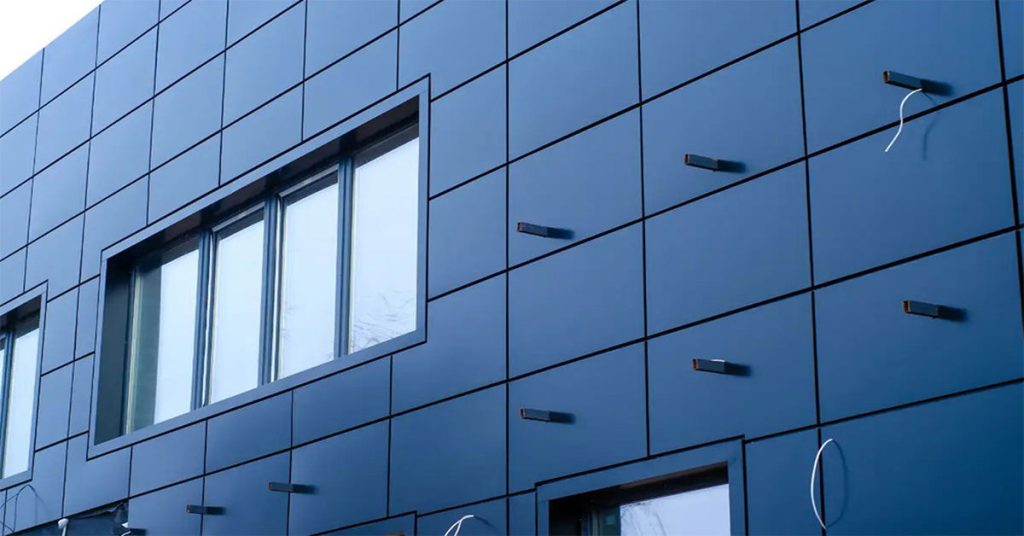
These systems are widely used facade solutions in modern architecture. They stand out with their lightweight structure. They do not put excessive load on buildings.
This ensures safe use, especially in high-rise buildings. It is also a durable material, making it long-lasting. It is resistant to weather conditions, and problems such as rust and deformation are minimized. Aluminum facade systems It also offers significant advantages from an aesthetic point of view.
Thanks to their slim profiles, large glass surfaces can be used. This gives buildings a modern and transparent look. It provides flexibility in architectural design. It adapts to projects with different color and surface options. This feature increases design freedom and helps architects create creative solutions.
It also performs well in terms of heat and sound insulation. When used with the right systems, energy efficiency increases. Indoor comfort improves. A cool environment can be provided in summer and a warm one in winter. This reduces energy costs. It creates an economic advantage for users.
Aluminum facade systems It is also preferred for its ease of maintenance. Its surfaces are easy to clean. Regular maintenance requirements are low, which saves time and money in the long run. Furthermore, being a recyclable material, it offers an environmentally friendly solution. It plays an important role in sustainable building projects. These multifaceted advantages are the reason for its frequent use in modern urban architecture.
What are the benefits of aluminum facade systems?
They offer both aesthetic and functional benefits. Thanks to their lightweight structure, they do not add extra load to buildings. This feature provides a significant advantage, especially in high-rise buildings. Their durable material structure ensures long-lasting use. They are resistant to weather conditions. They maintain their shape against rain, wind, and sunlight. This reduces the need for maintenance.
In conclusion, aluminum facade systems In modern buildings, these systems stand out as both a safe and aesthetically pleasing solution. One of the most important benefits of these systems is their contribution to energy efficiency. Thanks to their thermal insulation properties, the indoor temperature is kept balanced.
Overheating is reduced in summer, and heat loss is minimized in winter. This lowers energy consumption, creating a more economical living space for users. It also contributes to environmental sustainability. Sound insulation is another significant benefit.
External noise is less transmitted indoors. This feature is a major advantage, especially in city centers. It results in quieter and more comfortable living spaces. In work environments, it increases productivity.
It also offers a strong aesthetic impact. Thanks to its slim profile structure, large glass areas can be used. This provides a modern and transparent look. It adapts to the design with different color and finish options. It offers flexible solutions to architects.
Finally, its ease of maintenance and recyclable nature are significant advantages. Its long lifespan reduces costs. Its eco-friendly nature makes it a preferred choice for sustainable projects. Therefore, it is widely used in the modern construction industry.
What are the application areas for aluminum facade systems?
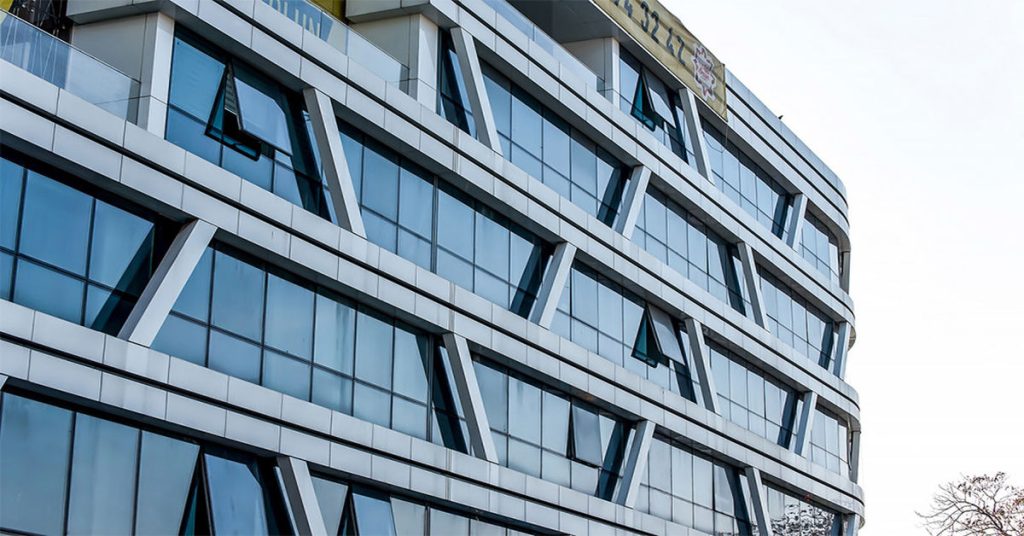
It is frequently preferred, especially in high-rise office buildings. Thanks to its durable and lightweight structure, it ensures safe use in large-scale projects. Shopping malls and residential projects are important structures where these systems are used.
These systems are widely used not only in large buildings but also in corporate structures. Banks, hospitals, and educational institutions prefer these solutions to achieve a modern look. They also reduce operating costs because they provide energy efficiency. Their thermal and acoustic insulation properties enhance indoor comfort.
This further expands its areas of application. Aluminum facade systems They also play an important role in industrial structures. Durability is paramount in factory buildings and logistics centers. These systems are resistant to harsh weather conditions. Low maintenance requirements are also an advantage in these areas. They are a suitable solution for long-term use.
These systems have also begun to be preferred in modern housing projects. They offer a stylish and contemporary look in villa and residence designs. They provide architects with flexible design options. They adapt to projects with different color and surface options. In this way, both aesthetic and functional expectations are met.
How are aluminum facade systems installed?
The installation of these systems is a technical process that begins with planning. In the first stage, building measurements are taken in detail. The facade design is prepared according to these measurements. Static calculations are performed, and appropriate profile systems are selected. This stage is critical for a safe and long-lasting application. Faulty planning can affect the entire system.
In the second stage, the supporting frame system is assembled. This skeletal structure forms the basis of the facade elements. The profiles fixed to the wall surface are aligned precisely. Vertical and horizontal accuracy is of paramount importance. Even small deviations affect the final appearance. Therefore, assembly is carried out carefully. Measurements and checks are repeated continuously.
Next, insulation layers are added. Special materials are used for heat and sound insulation. These layers increase energy efficiency and also provide indoor comfort. Then, glass panels or cladding materials are installed into the system. The panels are fixed with special fasteners. Gaskets and silicone applications are used for sealing. In the final stage, detailed checks are carried out.
All connections are inspected. Surface smoothness and watertightness are tested. Necessary corrections are made, and the system is made ready for use. This process should be carried out by expert teams. Aluminum facade systems When installed correctly, it offers a long-lasting, durable, and aesthetically pleasing solution. Therefore, the assembly process is just as important as the quality of the materials.